King of the Hill, Herod. Not Hank!
Henry the 8th had Hampton Court; Louis VIX & Marie Antoinette had Versailles, Ludwig II built Neuschwantstein, for 1000 years the Brits have had Windsor. From each of these famed places monarchs have shaped history, ruled kingdoms and influenced culture. We don’t necessarily think about these people, but their continued presence in our lives, no matter how trivial, remains. Henry VIII, for example, is truly as responsible for the creation of the Protestant movement as Martin Luther. Ladies, if you wore a white wedding gown, you can thank Queen Victoria for beginning the tradition when she married Prince Albert (no cigar jokes —-and he’s not in a can). And who among us has not quipped crediting Marie Antoinette with “Let them eat cake!” During the French Revolution? Historians now believe she never said those words.
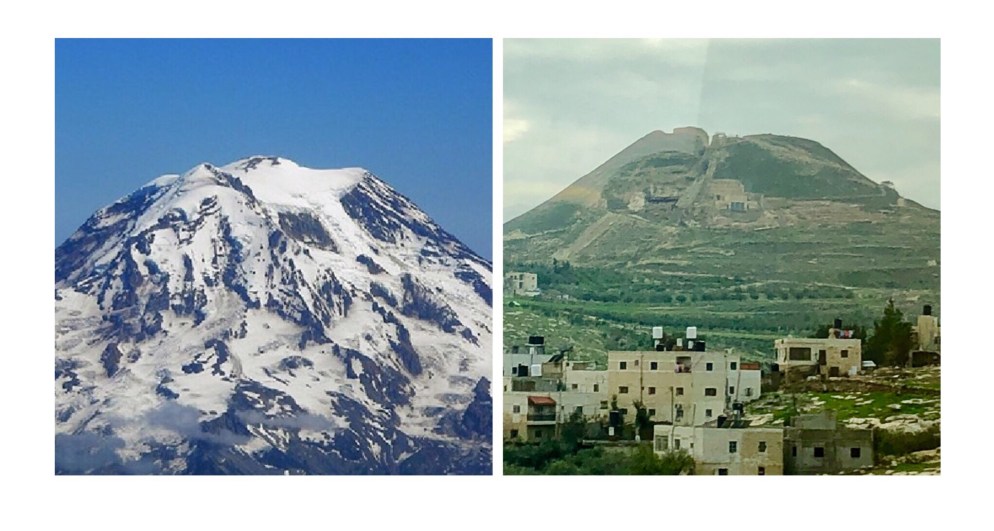
Many years ago riding with the daughters of our friends, Pam & Ron Robinson, we left SeaTac airport on the road headed toward Seattle. With Anna and Mary Kathryn in the rental car Thaedra and I took off to take these girls to spend their Spring break with their parents. Ron was at the Fred Hutchinson Center receiving extended treatment after having received a bone marrow transplant. If not for being there with this family we would not have seen it. While passing by the Boeing plant … which stretches miles along the highway … we sawMount Rainer. It is so incredibly large that it doesn’t look as if it could be real. It arose in the distance, a mass of earth protruding into the sky capped with snow all around. We all couldn’t believe this massive natural wonder in front of our eyes.
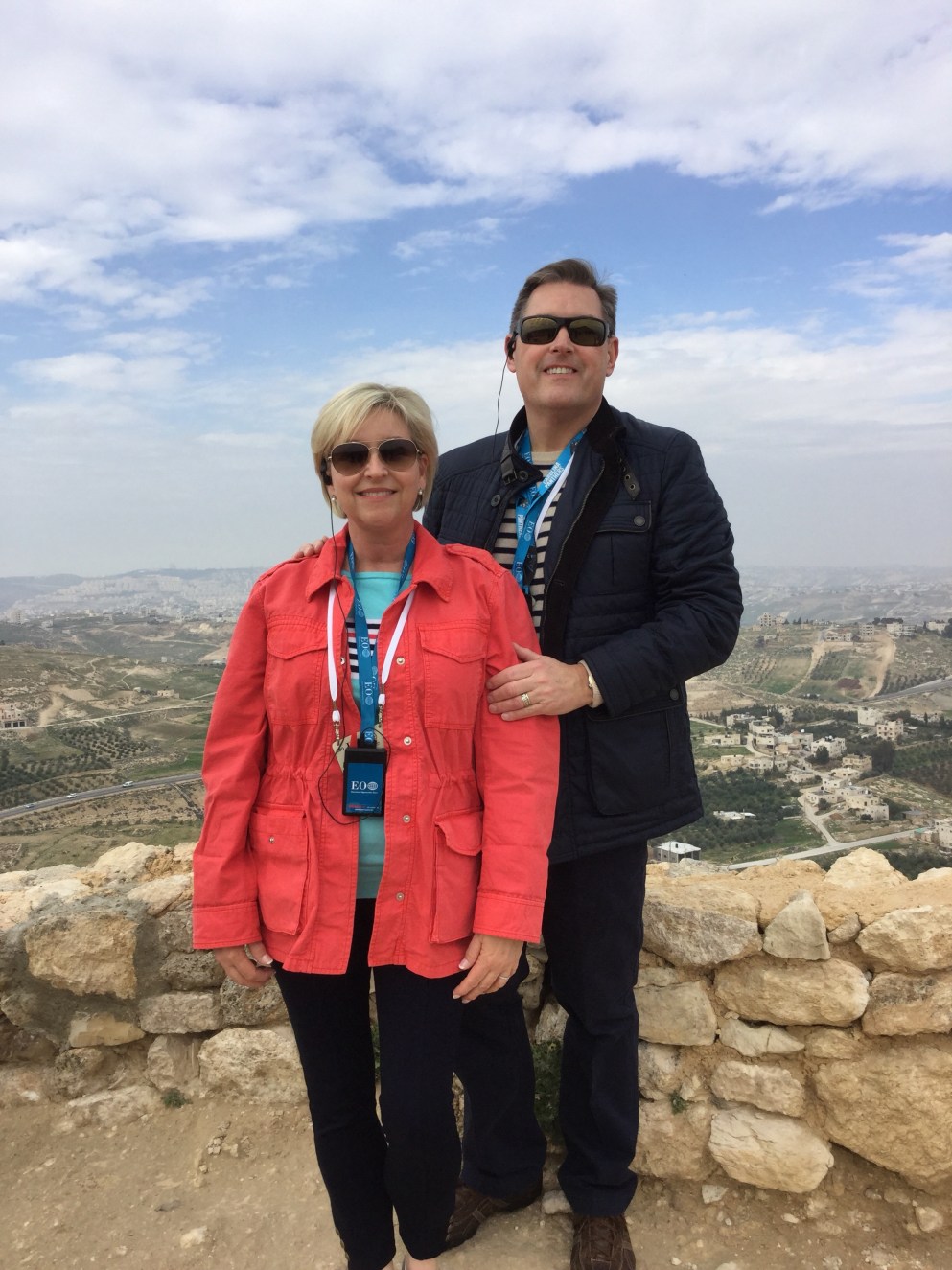
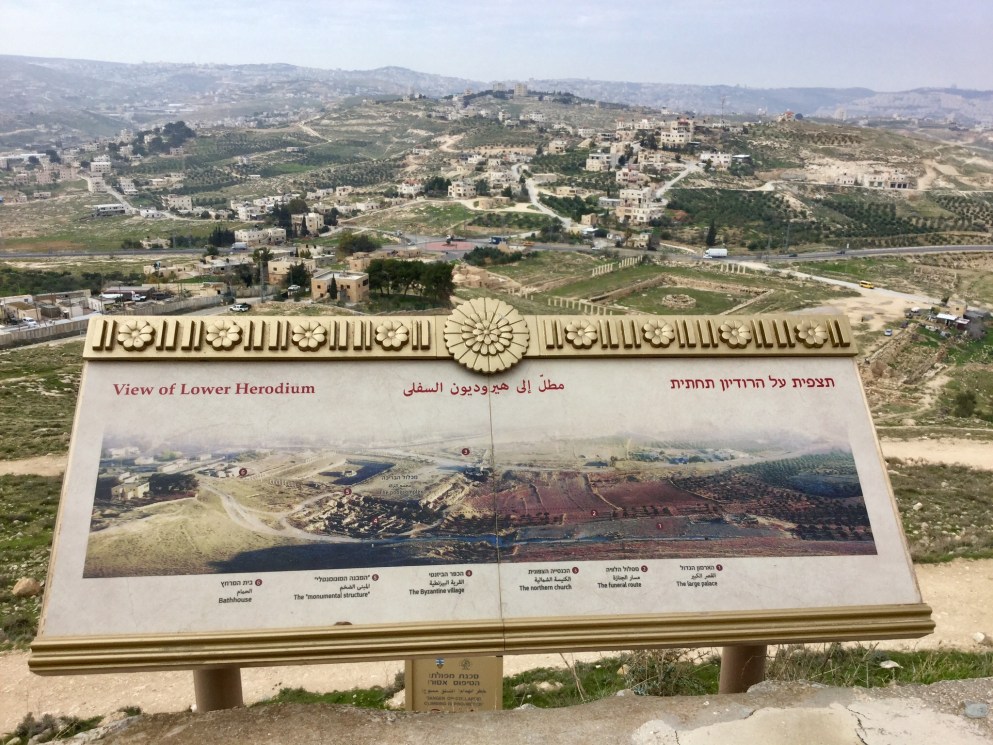
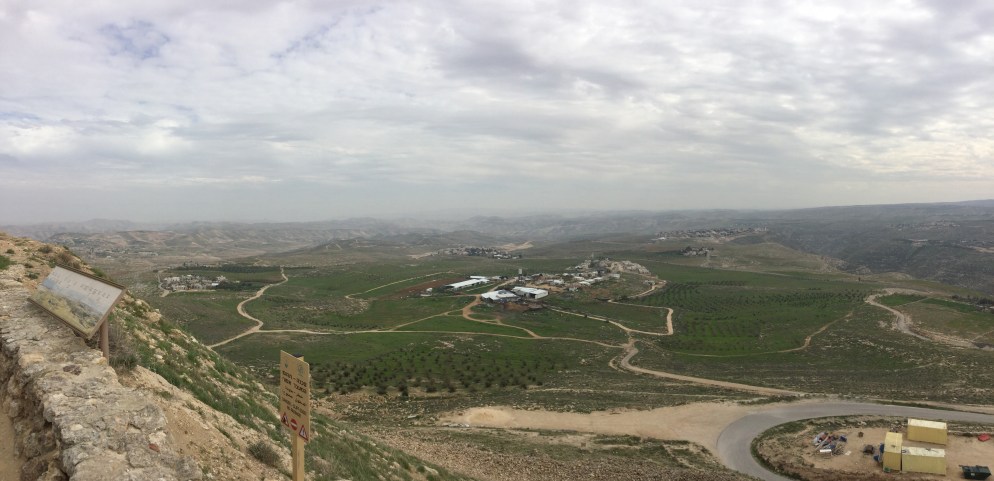
Driving through the desert just about 10 miles south of Jerusalem in anticipation of seeing Herod the Great’s final resting place I was reminded of Mt. Ranier’s grandeur. Curious to know if the Herodium mount might compare. To set the record straight, it did not…although it was big. Only God can make a Mt Rainier, but Herod, known as the master builder, created quite the impressive fortress. His intent was to built high enough that it could be seen from the Holy City, Jerusalem. From the top you can see the Mount of Olives just beyond the Kidron Valley.
 Herod served as Judea’s Jewish ruler from approximately 50 B.C. – 4 A.D. I’m sticking with the Before Christ and Anno Domini. This before common era & common era political correctness thing is a bunch of hooey. Shocking I know, but iNotes doesn’t recognize Domini as a word, but knows what hooey is. Not sure why I’m surprised from a technology out of the Silicon Valley.
Think about this guy for a moment. He is the Herod who rebuilt the Temple in Jerusalem (2nd time). He built more than 15 palaces, 7 massive fortresses and multitude of public buildings. He lived an opulent lifestyle, ruled powerfully, maintained the power of the world in his hands.
At the news of Christ’s birth Herod is the guy who sent the Magi, he’s the guy who ordered the murder of every Jewish baby – subsequently what made Joseph and Mary to escape with Jesus to Egypt by night (for reference, Bethlehem is only about 5 kilometers from this spot; the Sinai peninsula to where they escaped is approximately 270 kilometers south).
There were many truths about Herod. Two resonate with me today:
First, a little baby born a few miles away in a cave among livestock manure to a teenager intimidated him. Second, as powerful as he was, Herod was an extension of the Roman Empire and ruled (basically served) at the pleasure of the Roman government. It was good work if you could get it.
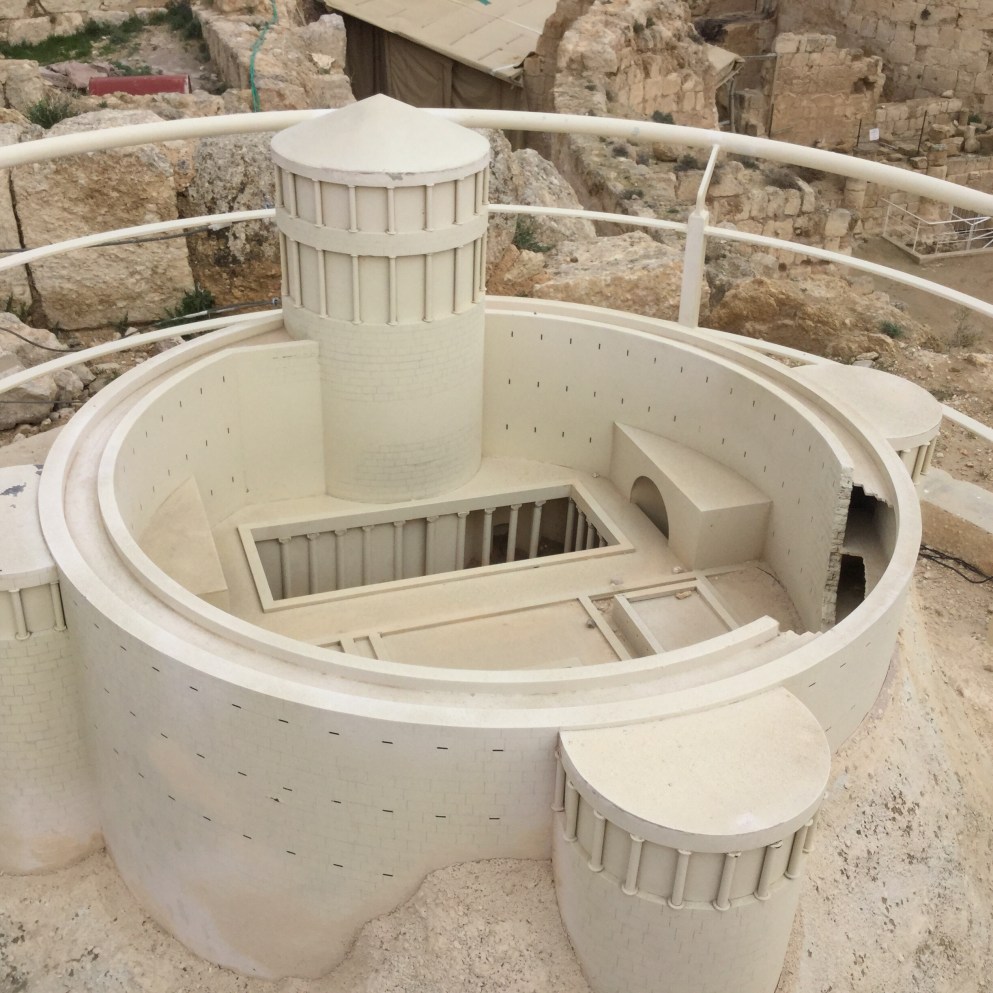
As Herod approached the end of his life he ordered even more dirt and rock be placed upon the top of this mountain palace. By continuing to increase it’s height, Herod helped insure himself a prolific eternal tomb. He is buried within a tunnel system deep inside the mountain. This high vantage point also affords views of the Judean wilderness where Satan tempted Christ for 40 days. Like many places in the Holy Land, years of digging and excavating have revealed what visitors can see today atop this huge hill.
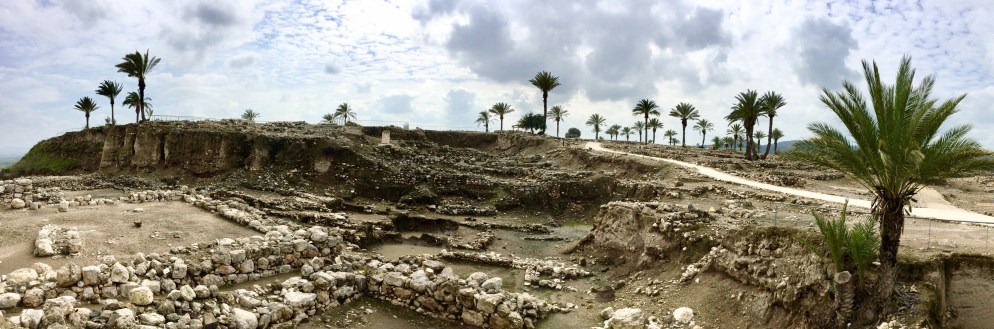
But Herod, just like everyone died. I’d dare to say that if he had not been so prolific in Jesus’ story he would have faded away with the mists of time except for some placeholders in Israel & Middle Eastern history. He was, in the end simply a man, who ended up as my daddy’s favorite comedian, Jerry Clower, would say “Grave yard dead.” Earthly kings come and go, dynasties and monarchies rise and fall. This is a good place to be reminded that nothing lasts forever except God’s providence. Let me just leave it at that and share some images of what’s left of Herod’s man made mountain fortress.





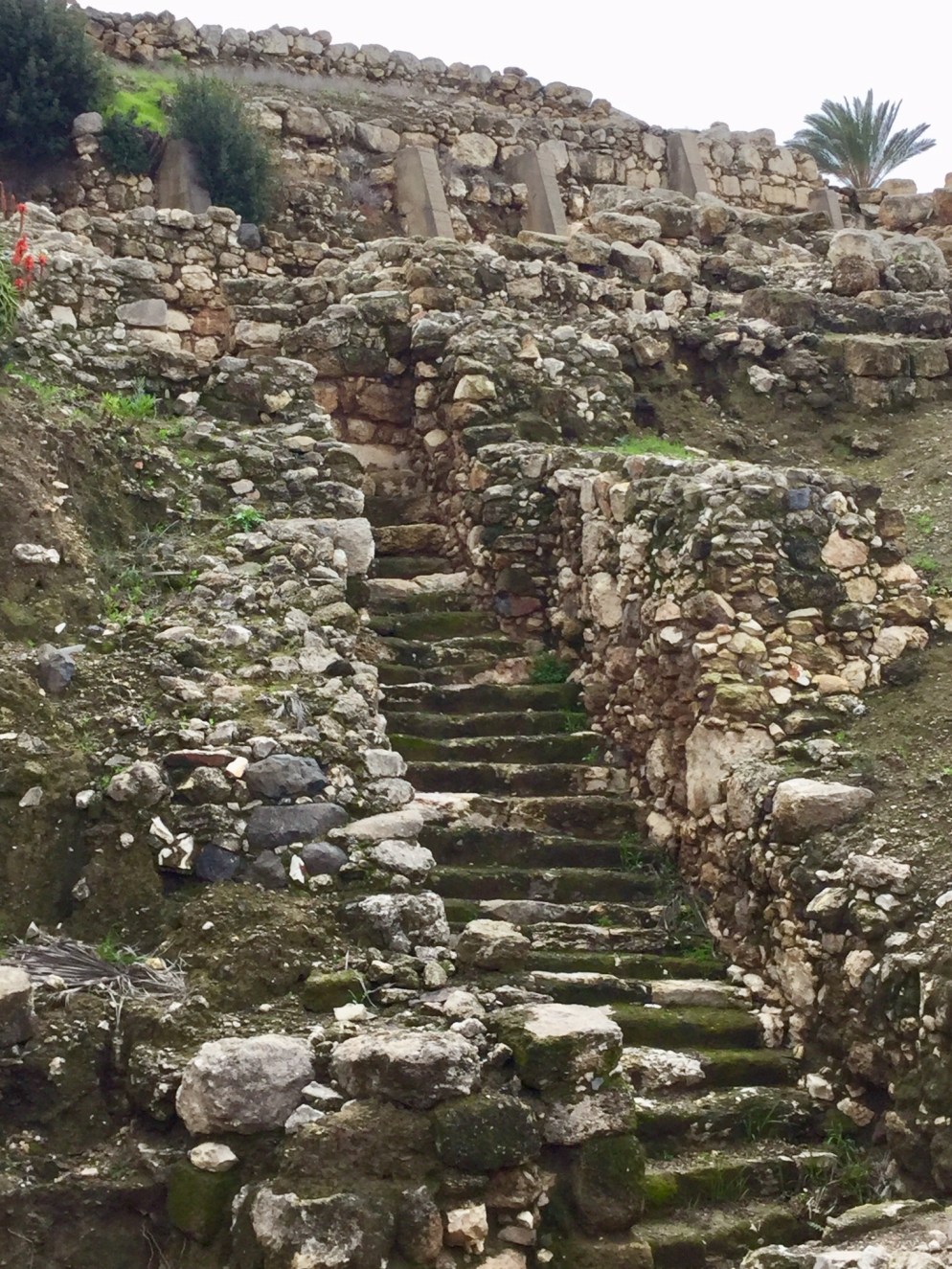
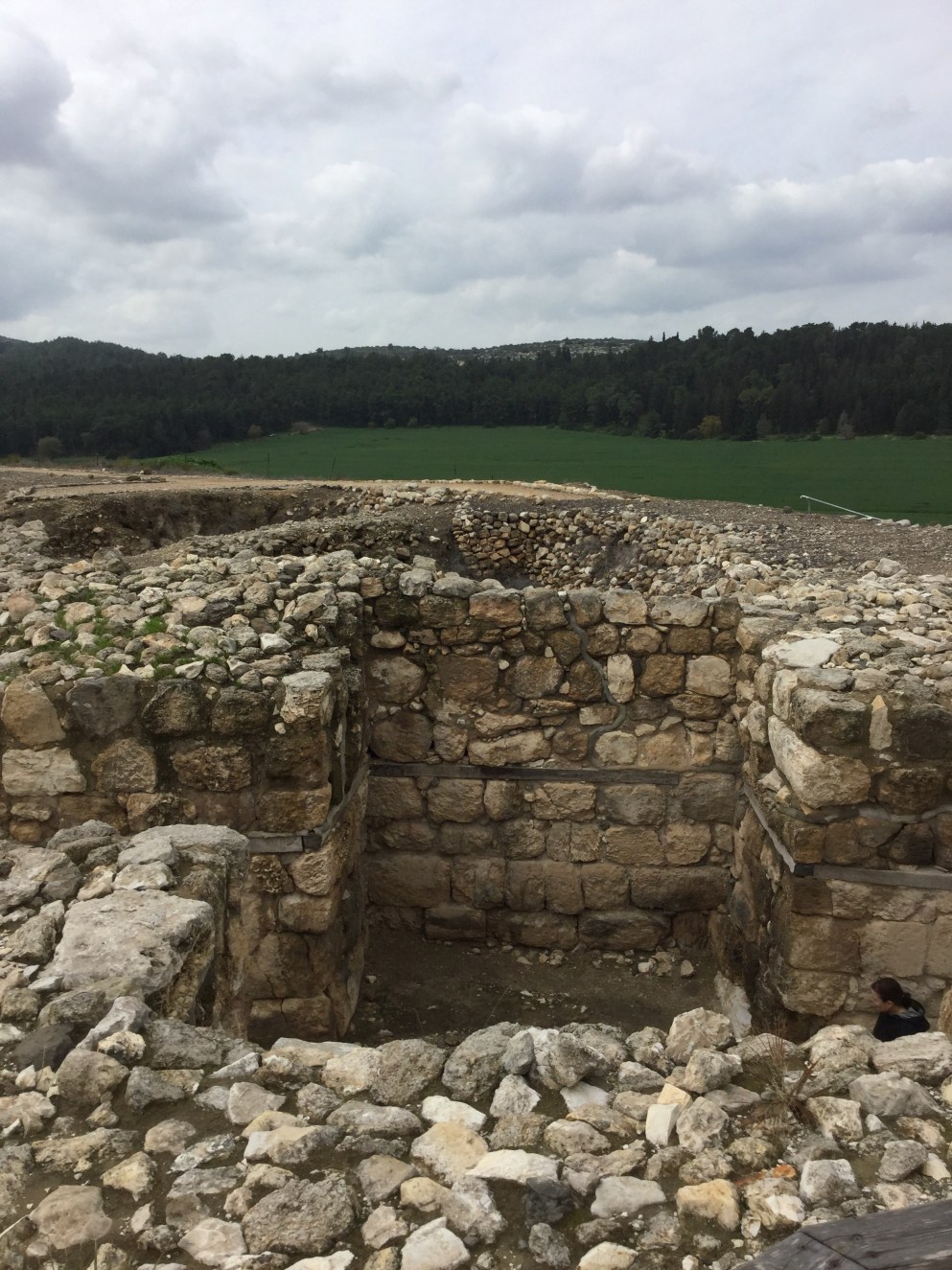

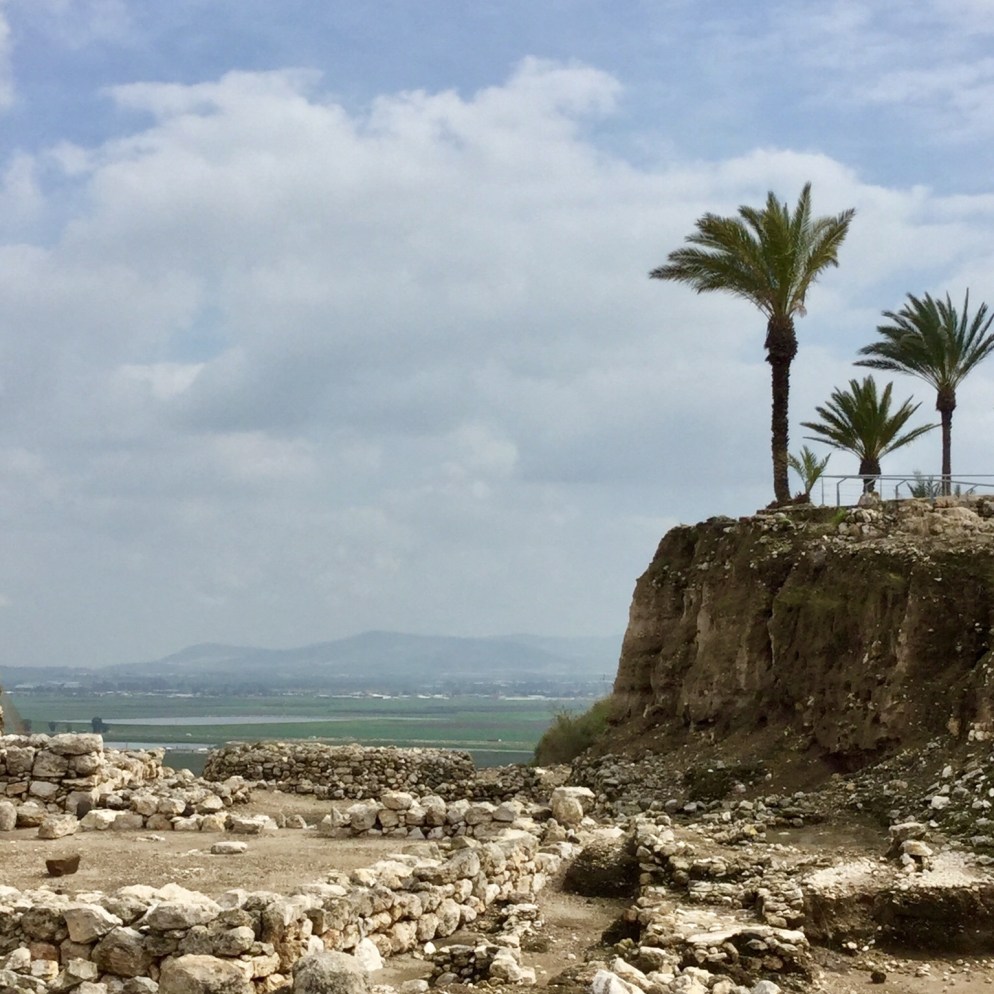



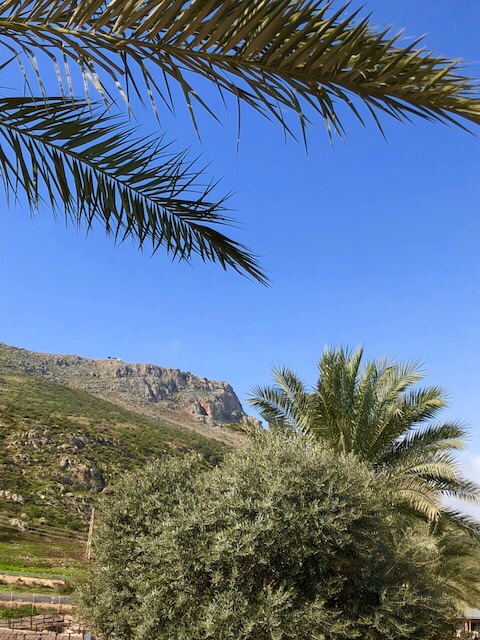
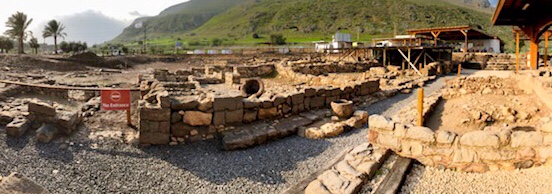


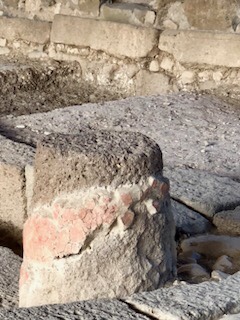




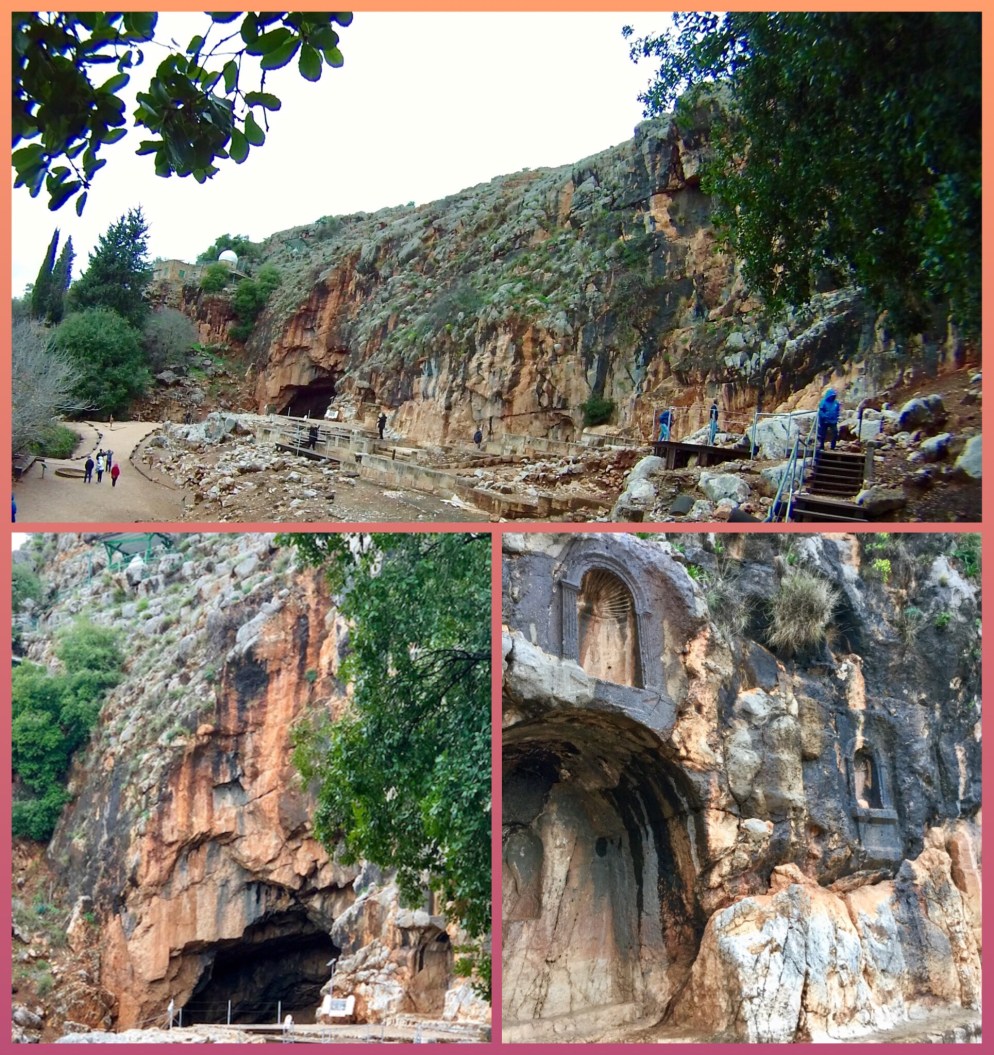 At the expense of sounding like Andy Rooney I’ll ask: Do you ever wonder why we gauge stuff in the Bible as all happening two thousand years ago? Seriously, everything did not happen when Jesus was around.There was a highly mixed population here who worshipped the pagan god Pan, a creature that supposedly had a 1/2 man & 1/2 horse body. He was the god of outcasts. Caesarea Philippi was a Pagan community worshipping Pagan Gods.The people here believed that the entrance into this cliffside through the pagan temple was the actual gate to Hades….yeah, I didn’t go in (and don’t anybody tell me to, either). The rocks and ruins in the side of the mountain below show the remains of temple to the pagan god Pan.
  Now about that 2000 year thing…the answer here is easy. Christ reveals himself here in very real ways. Jesus knew what a wicked, pagan, cultural mess Casarea Philipi was. He brought the disciples here. Imagine Him talking to the Disciples here and the power of symbolism with the proclaimed gates of Hell in the hill just behind him. Here He said to Peter: “I tell you that you are Peter and on this Rock I will build my church and the gates of Hell will not overcome it.” The name Peter is derivative of Petra or Petros meaning “stone rock.” (Matt 16:18). It is easy to consider literal and figurative meanings.Here Jesus also asks His disciples “Who do you think I am?” Check out the full reference in Matthew 16:13-20From a historical perspective the Palestinians conquered this area in the first century, B.C. They wanted someone who would have a very strong hold on this place. Herod the Great took the crown and reigned over this territory. His son, Herod Philip, eventually ruled over this area. This was named Caesarea after Caesar Octavian and Philipi to differentiate this place from the Caesarea (Maritima) on the coast (the one where Paul was held before being sent to Rome). There are remains of Herod’s absolutely gargantuan palace (there were lots of Herods and even more palaces). The interesting thing is that it is so big that when archeologists unearthed it a major, modern road had been constructed over it. Ironically, one of the palace tunnels runs directly under the road…seriously…. visitors can safely pass from one side to the other. (We saw it on the first trip, but not today).Jesus literally took His disciples to the place many people believed to be the gates of Hell to reveal Himself. For a place to have been pagan filled and evil ridden to be the back drop for Christ’s revelation that He is the true Messiah created a study of contrasts. Against the gates of Hell in ancient Caesarea Philippi 12 men saw the hope of the light Heaven and one man, Peter, the Rock, became the foundation of the Christian Church. Churchill’s words apply to faithful living “…failure is not final.” There is hope. “The courage to continue is what counts.” No group of people ever learned this more than the disciples. They went all the way to hell and back to learn this lesson, to forge ahead, to build the Church.Other stops:We spent a little time at the Primacy of St. Peter. It’s a place on the shore of the Sea of Galilee where Jesus appeared to the disciples after His Resurrection. We also visited the Mount of the Beatitudes. I’ll post about it later. Katie, Thaedra & Meagan all remembered their Baptisms in the very cold Jordan River; those images are theirs to share.


 (We were so far away I couldn’t snap images; these are Google’s)


 Big Blog Theory